

Introducción: El Corazón Palpitante de la Cultura Fitness de Mumbai
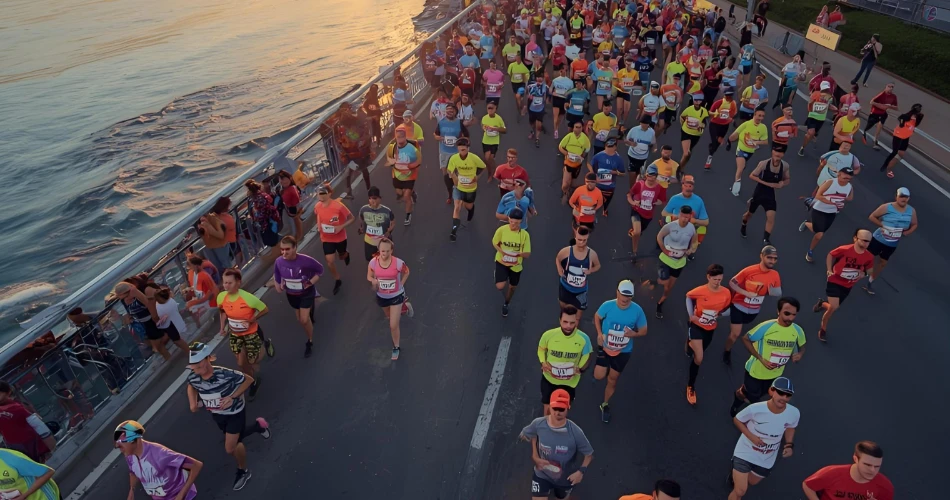
Cada enero, cuando los primeros rayos del amanecer rompen sobre el Mar Arábigo, Mumbai se transforma en una pista de resistencia, esperanza y unidad. El Maratón de Mumbai—oficialmente conocido como el Tata Mumbai Marathon—se ha convertido en uno de los maratones más importantes de Asia y uno de los eventos deportivos participativos más grandes de India. Pero más allá de las medallas y las líneas de meta, este maratón simboliza el espíritu indomable y la fuerza de Mumbai.
Con miles de corredores—atletas de élite, joggers ocasionales, equipos corporativos, celebridades y ciudadanos comunes—el evento celebra no solo la condición física, sino también la resiliencia, la inclusividad y la unión. La energía en la ciudad es palpable, desde Marine Drive hasta Bandra, mientras los Mumbaikars se reúnen para animar a los corredores con una pasión inigualable.
La Historia y el Legado del Maratón de Mumbai
El Maratón de Mumbai comenzó en 2004 con la visión de convertir la carrera en un movimiento de fitness generalizado en India. A lo largo de dos décadas, ha crecido hasta convertirse en un fenómeno cultural, atrayendo atención y participación global. Reconocido como una Carrera de Ruta con Etiqueta de Oro de World Athletics, el evento ha establecido firmemente a Mumbai como un centro para eventos deportivos internacionales.
Más allá de su atractivo atlético, el maratón se ha convertido en una plataforma para la recaudación de fondos y la caridad. Incontables ONG y organizaciones sociales utilizan el evento para concienciar y recaudar recursos para causas que van desde la atención médica hasta la educación. Según los organizadores, ahora es uno de los eventos deportivos más grandes impulsados por la caridad en Asia.
El legado del Maratón de Mumbai trata sobre más que tiempos de finalización; se trata de historias de perseverancia—como corredores primerizos superando barreras personales, ancianos demostrando que la edad es solo un número, y participantes con discapacidades redefiniendo la fuerza.
Espíritu de Mumbai: Más que solo una carrera
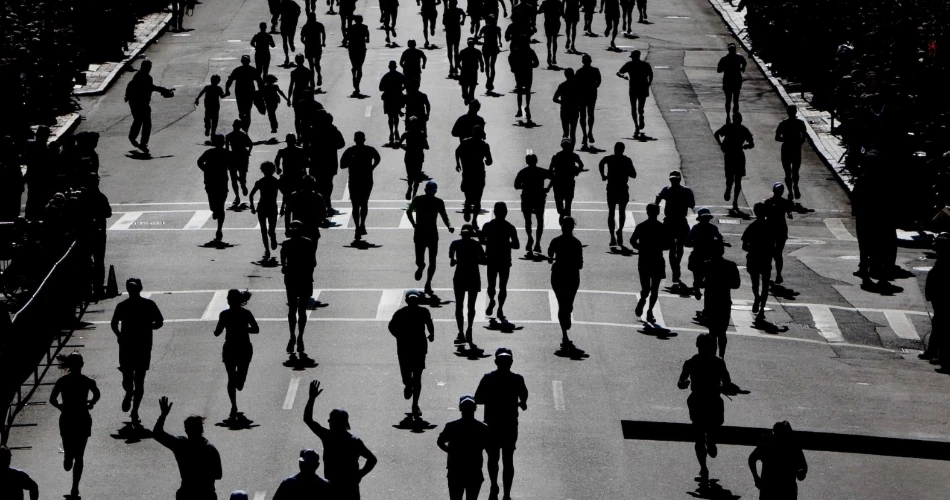
El Maratón de Mumbai a menudo se conoce como el “espíritu de Mumbai” en acción. A diferencia de otros maratones globales, donde la participación puede estar limitada a atletas de élite, este evento prospera en la inclusividad.
Verás participantes diversos: profesionales, amas de casa, estudiantes universitarios, estrellas de Bollywood y atletas internacionales, todos corriendo codo a codo. La atmósfera es electrizante. Las calles rebosan de energía mientras los residentes reparten agua, frutas y bocadillos a los corredores, mientras que bandas de música en vivo y actuaciones culturales añaden ritmo a la carrera.
No se trata solo de correr; se trata de celebrar la esencia de Mumbai—la resiliencia que la ciudad demuestra durante inundaciones, crisis o desplazamientos diarios, ahora canalizada en un evento comunitario edificante.

La Ruta del Maratón: Del Mar al Horizonte
Una de las características más icónicas del Maratón de Mumbai es su ruta. Los corredores pasan por lugares emblemáticos que definen la ciudad, comenzando en CST (Chhatrapati Shivaji Maharaj Terminus), serpenteando a lo largo del pintoresco Marine Drive, cruzando el enlace marítimo Bandra-Worli y finalizando de vuelta en Azad Maidan.
Cada tramo cuenta una historia:
-
Marine Drive ofrece una impresionante vista del Collar de la Reina al amanecer.
-
El enlace marítimo Bandra-Worli se erige como un símbolo del moderno Mumbai.
-
Los edificios patrimoniales alrededor del sur de Mumbai recuerdan a los corredores la rica historia de la ciudad.
El recorrido es tanto pintoresco como desafiante, poniendo a prueba la resistencia de los corredores mientras les recompensa con vistas inolvidables. No es de extrañar que el maratón sea considerado una de las rutas de carrera más hermosas de Asia.

El Impacto Más Allá del Fitness: Caridad y Comunidad
Mientras que el fitness es la columna vertebral del maratón, su influencia va mucho más allá. El Tata Mumbai Marathon es la plataforma benéfica más grande de India para eventos deportivos. Cada año, se recaudan millones para causas sociales, ayudando a ONGs y comunidades en todo el país.
Los corredores a menudo dedican su carrera a causas específicas—ya sea educación para niños desfavorecidos, empoderamiento de mujeres o concienciación sobre la salud. Las empresas animan a los empleados a correr en equipo, creando una cultura de responsabilidad social y bienestar.
El maratón ha logrado unir con éxito el fitness y la filantropía, demostrando que correr no es solo un logro personal—es un acto de devolver a la sociedad.

Entrenamiento, Preparación y Participación
Participar en el Maratón de Mumbai requiere más que entusiasmo—exige preparación. Desde el maratón completo (42.195 km) hasta el medio maratón, 10k, carrera de sueños y categorías para personas mayores, hay algo para todos.
Consejos de entrenamiento para corredores incluyen:
-
Comenzar los preparativos al menos 3-4 meses antes.
-
Construir resistencia a través de carreras largas.
-
Mantener el equilibrio de hidratación y nutrición.
-
Usar el equipo adecuado para correr y evitar lesiones.
Aún si no eres un corredor elite, las categorías más cortas permiten que los principiantes sean parte de este evento icónico. Con cada año que pasa, se anima a más participantes de primera vez a atarse las zapatillas y unirse a la carrera, creando una comunidad más saludable.

Maratón de Mumbai como Atractivo Global
El Maratón de Mumbai no es solo un evento local; ha ganado reconocimiento internacional. Corredores de élite de Kenia, Etiopía y de todo el mundo participan, convirtiéndolo en una carrera competitiva a nivel global. La cobertura mediática internacional resalta aún más la transformación de Mumbai en un destino deportivo global.
Para los turistas, el maratón ofrece una oportunidad única de experimentar la ciudad. Muchos combinan correr con hacer turismo, convirtiéndolo en unas vacaciones de maratón. El evento ha posicionado a Mumbai en el mapa global, junto a maratones icónicos como Boston, Londres y Berlín.

Conclusión: Mumbai Se Mueve con Espíritu y Fuerza
El Maratón de Mumbai es más que un evento deportivo—es un movimiento. Refleja el latido de Mumbai, su resiliencia y su espíritu de nunca rendirse. Desde atletas de clase mundial hasta corredores comunes, desde equipos corporativos hasta grupos impulsados por la caridad, el maratón une a las personas a través de fronteras.
Para la ciudad, es una celebración de la vida, la energía y la unidad. Para los corredores, es una prueba de resistencia y una oportunidad para ser parte de algo más grande que ellos mismos. Y para el mundo, es una prueba de que Mumbai realmente se mueve con espíritu y fuerza.